Be yourself; Everyone else is already taken.
— Oscar Wilde.
This is the first post on our Botswana blog. We are just getting this new blog going, so stay tuned for more. Subscribe below to get notified when we post new updates.
Be yourself; Everyone else is already taken.
— Oscar Wilde.
This is the first post on our Botswana blog. We are just getting this new blog going, so stay tuned for more. Subscribe below to get notified when we post new updates.
As we settle back into campus life and classes, we wanted to briefly reflect on our time in Botswana and with Sereledi Farms….
Ernest Bethe IV
I found my time in Botswana to be incredibly informative, inspiring, and humbling. I was able to significantly grow my working knowledge in basic dairy processing, allowing myself to begin to understand in a small way a very large agricultural industry. Furthermore, by having this initial foray into dairy take place within Botswana, I widened my understanding of how things like wild cape buffalo herds and cattle borne illnesses can significantly impede production. It was also very inspiring to be in Nonny’s presence, and simply witness her dedication and confidence in her dream. She motivated me to be more engaged in the project, simply because of how much she believed in it and refused to accept any setbacks as final. Her determination in spite of the slew of challenges she has faced has also been incredibly humbling; I can only hope that one day I possess half of her perseverance and resolve.

Emma Moulton
I was very sad to leave Nonny, her cows, and Botswana. My time working with Nonny was inspiring and challenging. I gained a new appreciation for agriculture, a gratitude for supportive people, and did things I never thought I would do like eating a caterpillar and seeing 5 lions!
Before this trip my exposure to agriculture was limited to class readings and seeing cows on nearby farms as I drove by. I really had no grasp as to how difficult dairy farming was, let alone how difficult it was in a drought-ridden area like Botswana. I’m excited to really understand and relate to future dairy information with a new perspective.
I’m also excited to learn more about different countries and their economies. While meeting and learning from professionals along the supply chain I grew to understand how everything was really connected. It was surprising to learn how South African products had taken hold of the Botswana economy, and how much this impacted local suppliers. Nonny was especially impacted by South African feed producers supplying to a Botswana government parastatal. If Techno experienced a shortage, and/or BAMB’s distribution was slow, Nonny’s cows would suffer.
Another one of my key takeaways, that I continue to find in any engagement program I am apart of, is to pay attention to the “little people.” You need to listen and understand what the farmer is going through in order to create an environment for them to thrive in. Botswana faced international backlash from their decision to lift the ban on elephant poaching, however the destruction and impact on Botswana’s economy caused by elephants was not discussed by the international community. It was learning from determined people like Nonny that I grew to ask better questions, withhold my initial judgements, and gained inspiration.
Nonny is a courageous and persistent woman operating under extreme conditions. Her commitment to her family, her business, and future dairy farmers is awe-inspiring. She is kind, generous, and determined. Her spark of energy is something I think we all will strive to replicate.
I am very thankful for this experience and for this opportunity to work with such an awesome team. This trip has given me a taste of something really thrilling and I am excited to see what the future holds.

Tiffany Agard
Our two weeks in Botswana are coming to an end, and it’s been quite a whirlwind in a few unexpected ways. We’ve learned a lot about the ups and downs of businesses and the physical, financial, and emotional consequences of difficult years. Perhaps, most importantly, we learned four critical rules of dance….and maybe of life, from Nonny’s four year old niece Nae Nae.
Rule #1. Never give up. (Persistence is essential)
This season has been particularly tough for Nonny. She’s lost a lot of cows and has had her business tested in almost incomprehensible ways, from an accidental fire burning up all her stocks of food during a drought and burning crucial equipment to baby cows dying as they reach maturity and struggling to access the proper medicine. In the midst of the weariness, Nonny has had her doubts but has ultimately never given up. And that resilience is seeming to pay off as these most recent meetings have breathed a new air of life and potential into her operations.
Rule #2: Let go of yourself (Review, release, revive)
It can be very easy to get caught up in ourselves, our past, the future, and find ourselves blinded or pessimistic. The reluctance to release can be crippling. Release of guilt, release of regret, of fear, of expectations. It became clear that it was going to be critical to let go of past fears and doubts for Nonny to move boldly into this next stage of her business. Having a new set of eyes on her work helped her see her business in new ways and work towards releasing some of the fears and frustrations she had been having. The more we can be ready to let go and and let our past inform and not hinder, the better we can be ready for the new and innovative ways life will build us up again.
Rule #3: Whenever there is music, you must dance (Seize all opportunities)
Nonny is all about seizing opportunities and using her voice to advocate for herself and others anywhere possible. I loved that. She always presented new and challenging ideas to government officials, causing them to think outside of their current surroundings and bring them to the reality of how dairy farmers were dealing on the ground.
Rule #4: You must practice non-stop. Train, train, train. (Consistently improve yourself)
One of the most impressive things about Nonny has been her commitment to gaining knowledge and self-sufficiency. She’s learned how to artificially inseminate cows and has quite literally helped bring life to her entire herd. This skill makes her a great asset to her community and will open up a number of opportunities to her, such as building an AI center in a nearby community or perhaps collaborating with the government on other animal health and reproductive trainings or initiatives. Her commitment to her craft has allowed her to be ready for any opportunity that comes her way.
All in all, we’ve learned a great deal more from Nonny than just about dairy.

Clairion DuBose
Blessings Upon Blessings
I am blessed because my SMART Botswana Sereledi Farm experience helped me answer personal questions and provided direction for my future. I applied to the Botswana Sereledi SMART program because Sereledi Farm is a dairy, owned by Nonny Wright. Nonny Wright is a young female dairy farmer in Maun, Botswana. I was interested in a career path with animal agriculture, either as a veterinarian or a Ph.D. candidate. From meetings with government officials in agriculture and with the head veterinarian of Botswana Agriculture Marketing Board (BAMB). I learned my most beneficial academic pathway for working internationally in animal agriculture is through a degree in veterinary medicine.
I was very blessed to work with a team of individuals who are passionate about their fields, and eager to share their knowledge to form a well-rounded solution. For example, Thomas who has a dairy background said cows need a lot of water for maximum milk production. In a meeting with the Department of Water Affairs, Tiffany and I learned the process required to build a borehole to increase water availability. In further research, we learned when the river runs dry so do the boreholes. The rest of the group could not figure out why. Then Ernest who studies soil science, mentioned most of Maun is resting arenosol so there is little separation between above and below groundwater sources. Lastly, Emma used her business knowledge to analyze costs of building a new borehole 8 km away from the farm and pumping water versus buying and having water delivered to the farm. I learned how to work with people from varying disciplines on the same issue. I valued the complete picture gained from hearing each person’s point of view on a singular issue.

Thomas Hahn Mueller
The time I spent working on this SMART project has very likely changed the trajectory of my life. I have known since high school that I wanted to be a participant in the agricultural community on a global scale. When I learned of the SMART program as a Junior made a point to apply, hoping to participate as a Senior. I was especially excited to see that there was a project focused on dairy when the projects were released in August. Dairy is a community and agricultural system that I have leaned on for most of my life while simultaneously running away from it. There is something about growing up in an industry and the fear that you may become stuck and as a result will miss out on other great opportunities. After spending most of my academic career using dairy as a platform to see the world, the SMART program in Botswana made it very clear that there are real opportunities globally in dairy and this is something that I should be running towards, rather than away from.
This realization was made possible by an incredible and inspiring host and a passionate team of driven students. Nonny Wright demonstrated a hope for the future of agriculture that I had forgotten due to its absence in the agricultural community. This was a refreshing change from the pessimism I have witnessed within the conversations of my peers. My team showed me how to look at a tired industry with a fresh set of eyes and see the potential surrounding it. Host and team combined set an example of hardworking optimism that will be challenging to replicate in the future.
I hope to soon find myself back in Botswana and working on dairies internationally. The ability to add value and help with a wide range of challenges despite having such a limited mixed bag of skills and experiences highlighted the potential impact that could take place if I took the time to specialize. To reach that point of greatest impact within the shortest time frame, I have made the conscious decision to buckle down on dairy.

From JETCET with love

Botswana’s Rain-Fed Agriculture
Botswana’s agricultural sector is dominantly rain-fed, meaning reliant on rainy seasons for food crops, animal pastures, fodder production, and water availability for humans, crops, and animals. This reliance engenders stark vulnerability; a change in the timing and intensity of rainfall can devastate food production, starve out livestock herds, and deplete water sources, and/or turn them from sweet to saline.
The 2019-2020 season, and its deep effects on our partner Nonny and Sereledi farms, unfortunately, provided a case study in these challenges. Rains in Botswana have been less than expected for the last three years, with 2019 being the worst year to date, forcing many rain-fed farmers and ranchers to adapt to an unprecedented lack of irrigation.
Sereledi’s Challenges 2019-2020
Over a relatively short period, Nonny had built her herd up to a size over 60 animals as of the beginning of 2019. She relied on an on-farm salinated borehole for cleaning and some water needs (washing). The salinity of her on farm water sources limited its use in drinking water for her cattle, causing her to transport in drinking water for her herd. She dedicates 20 hectares of rain-fed fields to fodder crops, which she harvests to feed her cattle. For the majority of the year, she takes her cattle out for cyclical pastureland grazing on her 80 hectare farm.
Delayed rainfall crippled feed stocks and punctuated drought. Rains that typically began around November did not start until January. On-farm pasture land as well as fodder resources were limited which increased the need to procure feed from external sources. Many farms were feeling the same pressure and seeking external feed, putting added stress on feedstore stocks. This lack of rainfall most strongly impacted the availability of water. With rivers and boreholes drying up, water was prioritized for home consumption, not agriculture. Scarcity also brought price increases for water, however, feed, when available, was subject to subsidies. The drought also decreased the availability of feed and the prices were higher than normal. Even with government subsidies, the prices were too expensive for farmers to afford.
Compounding these issues were delayed payments from tenders that impeded financial liquidity to procure larger stocks of feed when available. In some instances, Nonny was forced to sell cattle to cover production costs or encourage cattle to drink saline or brackish (mixed saline and sweet) water. Some cattle were also lost to poor nutrient management or disease. At the end of the year, the herd was below 20 cattle. This season highlighted key vulnerabilities in feed and water procurement for her operations.
Wildlife conservation can also lead to the encroachment of wildlife such as buffalo and elephants into civilian and agricultural spaces. These wildlife can bring destruction to crops or carry diseases such as foot and mouth disease, a major concern in Botswana, and in particular Ngamiland. Foot and mouth disease can result in the culling of entire herds of cattle, posing a constant risk that needs to be continually managed by Batswana cattle owners.
Water Issues and Management in Botswana
Water management issues span across Botswana more broadly. Tensions exist between water and environmental use for different industries: agriculture, mining, wildlife conservation and World Heritage sites. In Ngamiland where Nonny is based, the Okavango Delta is a registered UNESCO World Heritage site and a large driver of tourism, the major industry in this region. Like in other regions of the country, industries must undergo environmental impact assessments. Restrictions from these can limit the growth and expansion of other industries even with mitigation techniques.
In order to procure access to underground water, residents must own the land they wish to drill on and acquire a permit to drill. Depending on the soil type, boreholes can be from 10 to 20m all the way to 280 or 300m below ground. Once the borehole is drilled, residents must again apply for water permits to use the water from the aforementioned borehole. There are some government assistance programs to subsidize the cost of borehole production, however, most boreholes are constructed with personal funds. Some support does exist for farmers seeking water resource management and drought mitigation opportunities. Botswana’s Citizens Entrepreneurial Development Association (CEDA) can provide farmers with loans and technical support for borehole drilling and procurement. Farmers can apply online for a borehole drilling permit and site assessment online on the Botswana government portal.
Mo’ Water Less Problems
This year’s challenges have pushed Nonny to investigate other options to improve drought resilience at Sereledi Farms. She will be looking into an additional water surveying test for another borehole on her land that could bear sweet water. There is still a risk that this borehole could be salinated, become salinated easily during drought or even dry up during times of low rainfall. Ultimately, a successful borehole solution on the present farmland would be the most ideal long-term, low-cost solution. Sereledi Farms could also consider drilling a borehole by the river on another satellite property she has and piping the water eight kilometers. The permits needed are standard and there is a relatively low cost to piping the water, but the prevalence of sandy soils by the river could increase initial capital expenditure.
In a meeting with the Citizen Entrepreneurial Development Agency, a development bank, we learned there is a disconnect between the perception of boreholes in the north versus the south. The arenosol soil type in the area surrounding Maun is characterized by the absence of a bedrock. Therefore, the ground water runs with the river water. When the river is full there is abundant sweet ground water in boreholes, but when the river runs dry the boreholes run dry or the water turns saline. Boreholes in the north are, therefore, by nature, more vulnerable to environmental changes. Outside of the northern region, many believe that boreholes can be a full-stop solution because they are more familiar with boreholes that are dug hundreds of meters below ground into an underground aquifer that is mostly unaffected by drought and limited rainfall.
In another attempt to work within existing on-farm resources, Sereledi Farms could consider investing in desalination equipment for water from the existing borehole. Currently, there are large disparities on prices reported on the open market and prices that government officials say are available for desalination equipment. Clarifying this discrepancy will make a significant difference on the feasibility and attractiveness of this offering. We will also need to better understand the capability of available machinery as well as quality, maintenance, and energy needs. Some models seem to be solar-powered, but this will require additional solar panels and batteries.
Ultimately, she could look to diversify different paths of having water transported directly to the farm in a similar fashion to her current operations. This could be working with multiple large organizations like Eyes of Africa, her current supplier, or having agreements with other borehole owners to receive water. This diversification will likely lessen her risk of water insufficiency during drought periods.
Personal Resilience
To build physical and financial resilience will take time and effort for Sereledi farms. However, the farm already has a strong support system due to Nonny’s passion and personal resilience. Nonny’s position as a knowledgeable, well connected, driven young female entrepreneur helps her stand out in a burgeoning and challenging industry.
Despite the physical and financial challenges, Nonny has inspired other young people to make the changes they want to see in their community. Nonny comes from a family of beef farmers. She leveraged her passion for working with cattle, and identified a business opportunity to enter the dairy industry as beef profits were dropping. Her passion to educate youth on dairy practices has the potential to expand the dairy industry in Ngamiland. She has plans to set up an artificial insemination center and help other youth start off small herds of dairy cattle.
From interviews with local distributors, it is clear there is strong community pride around Nonny’s drinking yogurt with Sereledi Farms. Customers were shocked and proud to learn that such a high quality product was made in Maun. The elders of the community are familiar with her family’s history with farming and support her like grandparents. Nonny’s farm and dairy products have attracted an audience outside of Maun, and some customers travel across the country to Maun just to buy Sereledi yogurt. Nonny is a confident woman who saw opportunity in the midst of hardship and has dug a dairy den in the most unlikely of places. She is not only building a business; she is building a community.
Fresh or sour, milk is an incredibly popular product within Botswana. Whether it is the daily consumption of fresh milk with Nescafe or the celebratory sour milk, madila, the nation holds a special place for dairy products.
Despite this drive for dairy, Botswana experiences a large deficit in local production and imports nearly 90% of its dairy products to meet the nation’s demands. This supply is brought in primarily from its southern neighbor, South Africa. Additional dairy products are also flown in from Botswana’s northern neighbors and Europe. This creates additional pressure on constrained domestic producers who are already hindered by a lack of quality feed, genetics and financing. In addition, water access is a concern in many areas, specifically northern Botswana.
The country, however, is on the precipice of change as factors are aligning that could signal increased growth for the dairy sector. Increasing economic advancement is leading to a rise in demand for dairy products like yogurt and cheese. At the same time, the prized beef sector is waning due to EU standards concerning foot and mouth disease. The return on beef production for farmers is continuously declining, and herd sizes are declining to follow suit. According to anecdotal reports, more is spent on milk imports than is received from beef production. Coupling this deficit with an expected dissipation of diamond reserves, the Government of Botswana has increasingly vocalized its interest and need to diversify economic drivers. The dairy sector has been identified as a priority sector.
At present, there are a few larger herds that are responsible for supplying a majority of domestic milk production. One of these dairies is SunnySide Dairy, based about an hour away from the capital city of Gaborone in southern Botswana. Sunnyside Dairy is run by a lovely Dutch couple who started their careers operating dairy farms in South Africa. Their current operation currently milks 750 cows and averages 30 liters of milk per cow a day. This herd alone is responsible for 60 to 70% of Botswana’s domestic production. It is estimated that the national demand is close to 65 million liters annually. Botswana could be well on its way to near self-sufficiency in the dairy sector when considering Sunnyside and the previously discussed Milk Afric project. Larger dairies are more common in the southern part of the country where water access is more reliable and there is closer access to materials and expertise from South Africa.
However, these producers are not exempt from the industry’s continued dependence on South Africa. Larger dairies are often able to achieve exceptional productivity because of high-quality feed imported from South Africa for it’s consistency in both product and quality that is more challenging to source locally. Prices in both local and international feed vary drastically in response to droughts, competing external markets, and governmental subsidies. These factors multiply existing hardships and increase financial instability within dairy production, particularly for smaller producers. Larger producers have more leverage to contract feedstuffs and other inputs at competitive prices due to scale and are more effective at insulating themselves from the impacts of financial stressors. Unfortunately, this leaves the small herds exposed and at a disadvantage. In this environment it will take a community of support to ensure the continued success of the industry.
Another limiting, yet crucial, factor is the lack of cows and improved genetics. Botswana has over 2 million cattle, but the majority of these cows are for beef production or indigenous cattle and are not optimized for milk production. Most milk cows currently in Botswana are imported from South Africa. Other areas with improved dairy genetics are much further away (EU, US, Australia, New Zealand, etc.) and are prohibitively expensive for most dairies. There is presently a deficit for milk cows in Botswana due to a ban on importing cattle into the country from South Africa. A current outbreak of foot and mouth disease in South Africa has closed the borders for the present moment and will limit the ability of dairies to quickly scale operations and efficiency.
In spite of challenges facing the dairy industry, it is beginning to make a dent towards the prioritization of domestically produced milk. The Milk Importation Committee is a collection of milk producers, processors, and government officials who meet monthly to discuss the state of the dairy industry. Of particular interest in this meeting is the development of contracts with processors in-country. Processors in-country are required to source primarily from local producers before importing raw milk. While domestic production is fully accounted for, there are still challenges with effective pricing. Beyond local procurement, the government also works to ensure there is sufficient feed and medicine available and provides subsidies on genetic material and feed during drought.
Hopefully the growing dairy community will eventually supply the majority of raw material for popular products lining the store shelves, including fresh milk, yogurts (tubs more so than drinking), and boxed UHT milk. This disruption of the historical importation of South African milk by big brands like Clover, a South African company, and Parmalat, controlled by the French group Lactalis, could be a game changer not only for dairy producers but for all those involved in the value chain. Sally Dairy is the largest domestically owned processing facility and would greatly benefit from increased local availability of a high-quality domestic product.
Common dairy products in Botswana include:
UHT milk
Fresh milk
Tub yogurt and drinkable yogurt
Madila
Dairy juice
Cheese & butter
The future of the industry is on the moo-ve. With increased interest from both internal and external investors to support domestic development, the potential of production and processing improvements are huge. It is likely that in this environment the industry will be able to effectively reduce their dependence on international sources and enhance internal capabilities.
This meeting was a mind meld of fantastic proportions. One of our SMART team members, Thomas, helped our team get connected with MilkAfric Pty Ltd, which is a dairy development company bringing best practices to large-scale dairy in Botswana. The company has the capacity to produce 21 million liters of fresh milk annually which will account for one-third of domestic consumption.
It was founded by agro-preneur of Zimbabwean heritage and American citizenry, Mr. Phil Matibe. The company entered into a Public Private Partnership “PPP” with the Lobatse Town Council, where Lobatse Town Council availed a farm at Boswelatlou measuring 1375 ha on a 25 year lease. The company also entered into a partnership with the Botswana Development Corporation “BDC”. Botswana Development Corporation (BDC) is the country’s main agency for commercial and industrial development. The BDC provide both debt and equity financing to commercially viable projects as is the case the MilkAfric project. They have acquired a minority stake in company with the expectation to transition out after three to five years.
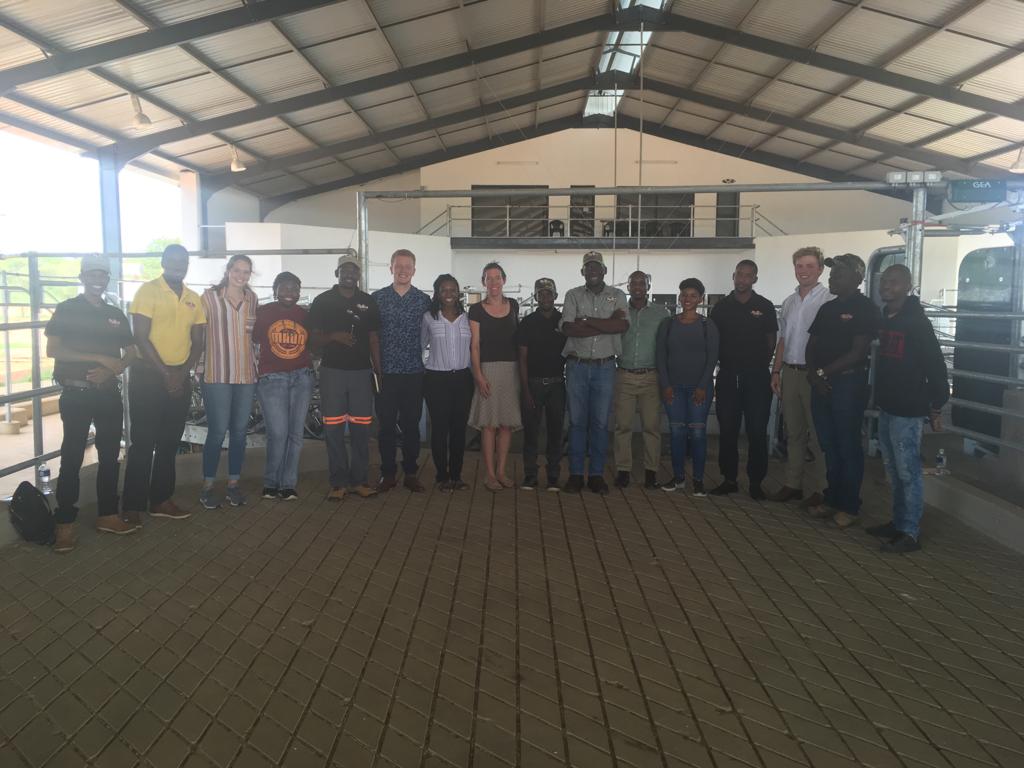
We met with the CEO and his team, an engaging set of animal scientists and promoters who had trained at the Alliance Dairies in Florida, the company’s technical partner. The operation can hold up to 3500 milking cows and 5000 cows in total (which would include young cows and cows not producing milk). There is a state-of-the-art 72 point rotary milking parlor sourced from a German farm equipment manufacturer – GEA Farm Technologies, an environmentally sustainable manure and water management system, and a herd management program. The facility has been perfectly set up for a full-scale operation….and yet, there are no cows!
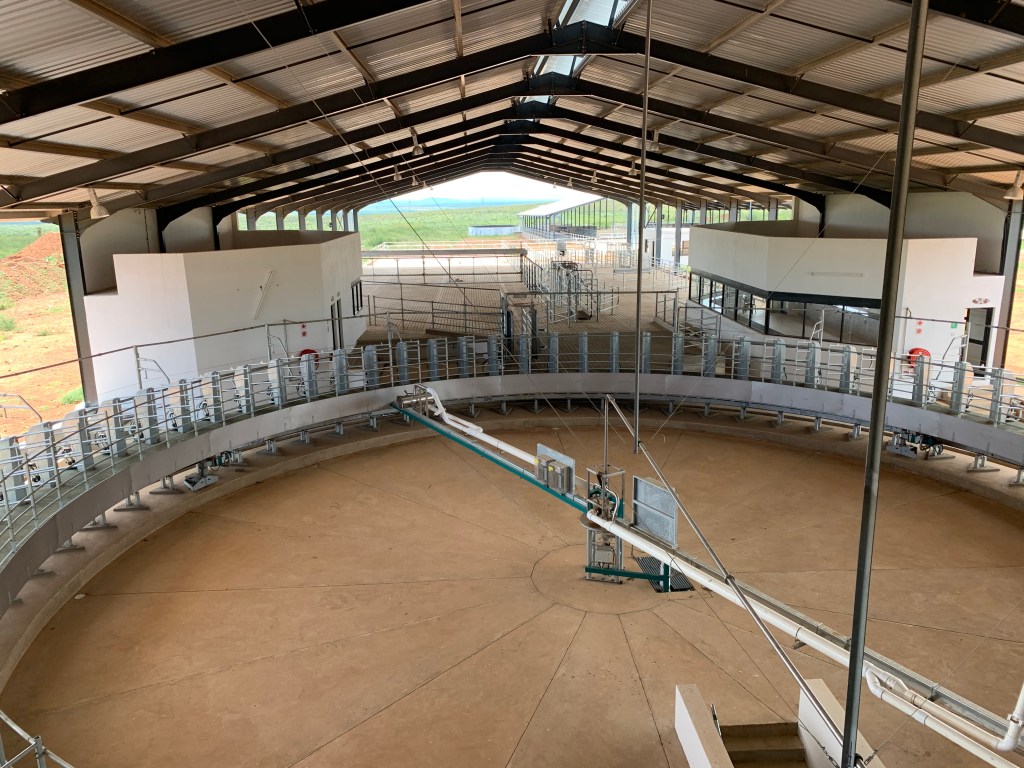
A ban on the importation of cattle from outside Botswana due to an outbreak of Foot and Mouth Disease in South Africa has placed MilkAfric into a holding pattern, as all dairy cattle have been sourced directly from South Africa. Presently, the company plans to source cows from the United States in the middle of this year.
The project has been in the works since 2011. The past eight years have been categorized by the following:
Botswana places a high priority on EIAs when engaging in new industrial projects. The EIA process evaluates the likely environmental impacts of a proposed project or development, considering inter-related socio-economic, cultural and human-health impacts, both beneficial and adverse.
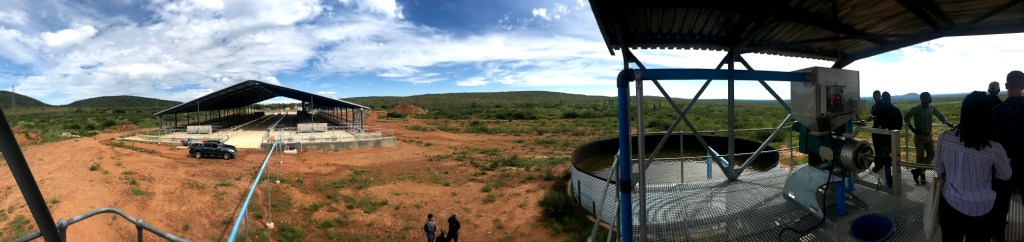
The team was gracious enough to walk us through the operations and discuss scale, growth planning, and relationships with local processors. This was also a great opportunity for our host to connect with other dairy partners who may be able to serve as strategic advisors in the future. We were really excited to see where this connection might take our host in the future!
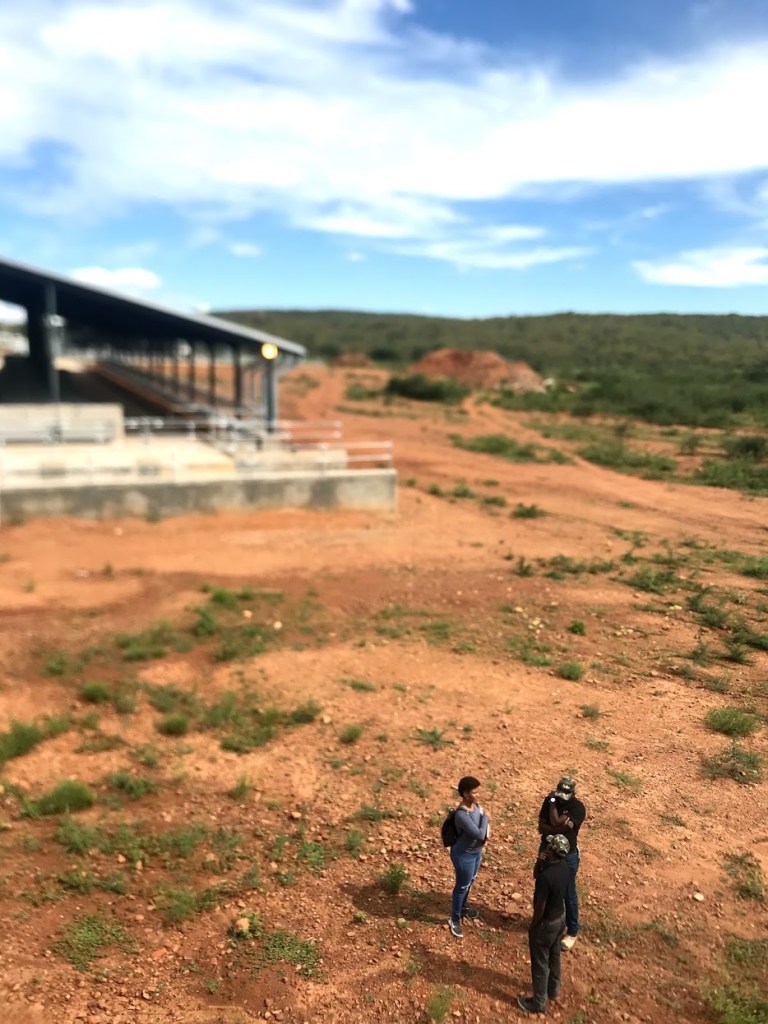
The youth are the future! Today’s meetings were inspiring to see youth taking charge as designers of their own future and carving a path forward for the agricultural industry and nation.
We’ve been very lucky to have some great meetings and meet some pretty interesting people. The highlight of some of these meetings is not only learning from the officials that we meet, but also watching young people advocate for themselves. During our time in Botswana, the team has grown in our knowledge of dairy and how we can best strategically support Nonny. We’ve also begun to learn how Nonny advocates for herself and other youth in these spaces.
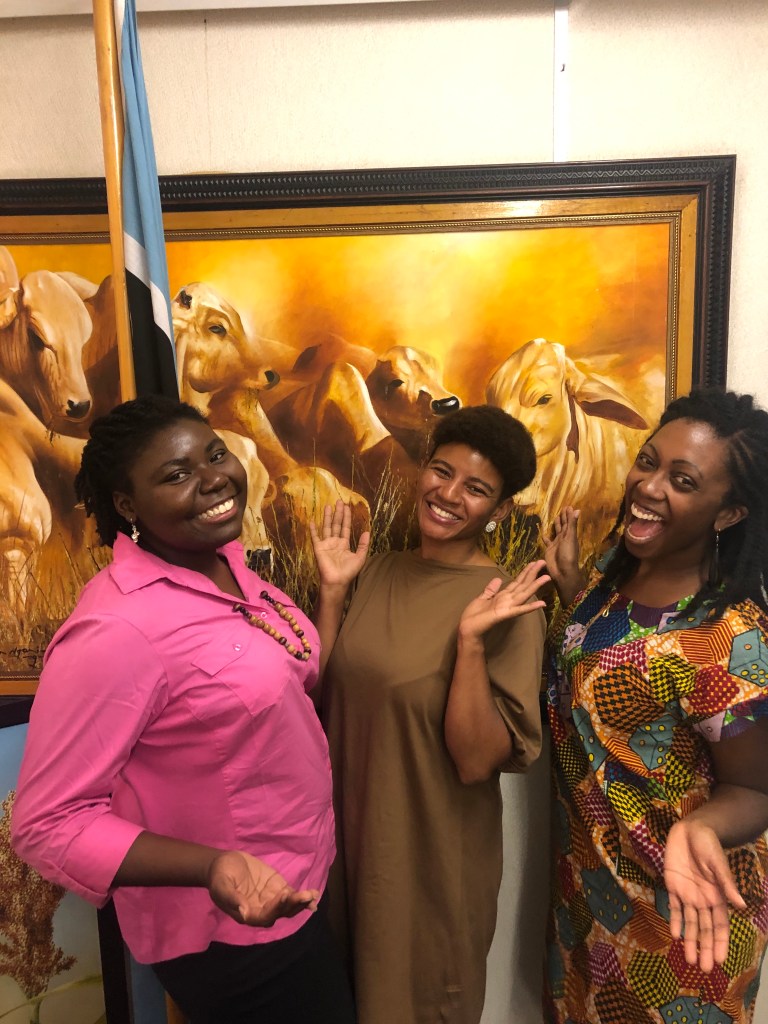
In our meeting with Dr. Benjamin Ditsele, the head vet at the Botswana Agricultural Marketing Board, Nonny was able to advocate for the inclusion of a consultative board and engage the head vet in opportunities to better support the dairy sector. He was very receptive to the idea, and even pitched an idea of artificial insemination training opportunities that Nonny could lead.
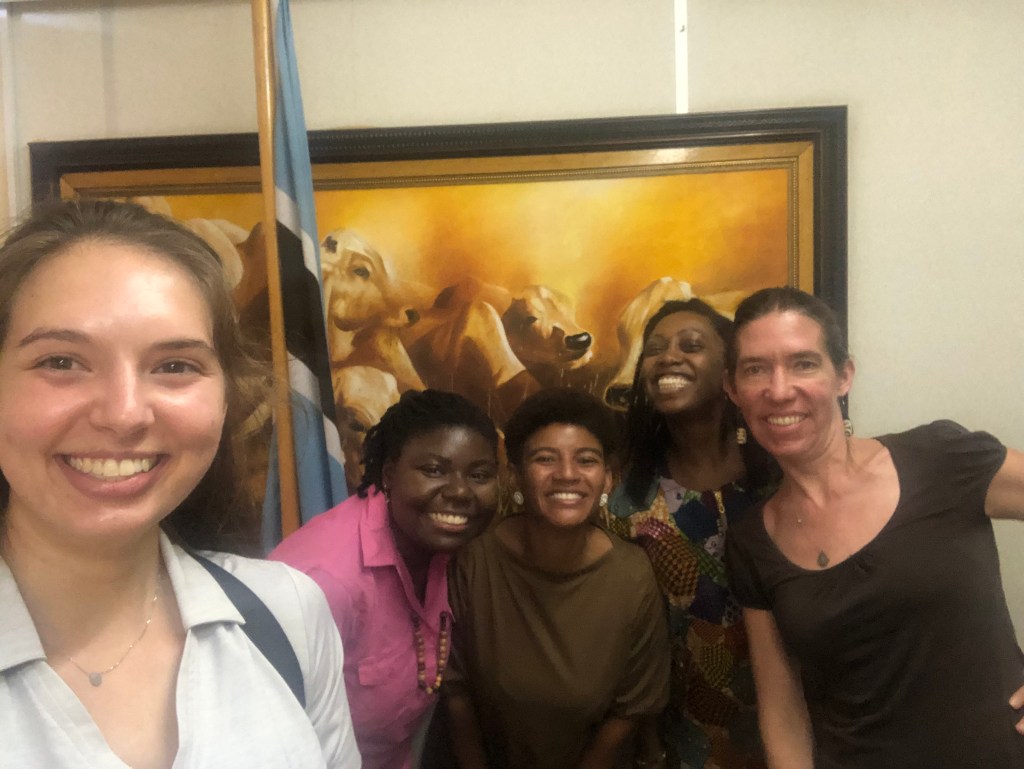
Dr. Ditsele was very excited to share with us a new program he was piloting called BushVets. The current veterinarians, all government run, are so focused on foot and mouth disease (FMD) that farmers like Nonny experience difficulties getting preventive and prophylactic care for their livestock for illnesses beyond FMD. BushVets is a program that would create vehicles of veterinary technicians that travel to farms and assist farmers with administering the appropriate care for their animals. The program is in their first six months of a trial period, so the service is only offered around Gaborone, with an operating radius of 200km. Dr. Ditsele hopes to eventually have a truck of BushVets in all regions of Botswana. The government will need to focus on improving training for veterinary technicians and supporting education for more vets in the industry to accommodate this need. The BushVet program is already attracting attention from international organizations who may be able to help mitigate this bottleneck.
One of our team members, Clairion, realized that she and the head vet had both attended programs through Tuskegee University where Dr. Ditsele completed his DVM. She might even be headed back to Botswana for the summer with this important connection! Most importantly, she’s (pretty much) decided on being pre-vet and eventually attending veterinary school to help communities adapt livestock needs to climate change and drought resilience. Our discussion with the head vet today as well as many in-car and late night discussions have led to this super exciting decision.

Perhaps most excitingly, we also met with the Minister of Agriculture. Dr. Edwin Dikoloti, a young former veterinarian, who is new to this office. The new president, Mokgweetsi Masisi, elected in 2019 brought in a new youthful cadre of ministers, and general elections elected out all but five of the existing MPs, leaving room for an exciting new class. A large number of these new MPs are young which could mean great opportunity for change for Botswana’s future. In the span of ten years, Dr. Dikoloti went from a veterinary graduate to minister while traversing a number of different career paths: government employee (the standard path for most veterinarians in Botswana), the private sector, consulting, and now politician. What’s also exciting is the assistant minister of agriculture, Beauty Manake, (who was traveling this week) is also a youth that has been advocating for more young leaders and advancement of the agricultural industry. Dr. Dikoloti also provided insight into the possibility of future restructuring of some governmental ministries which could allow for better communication and efficiency of certain functional roles.
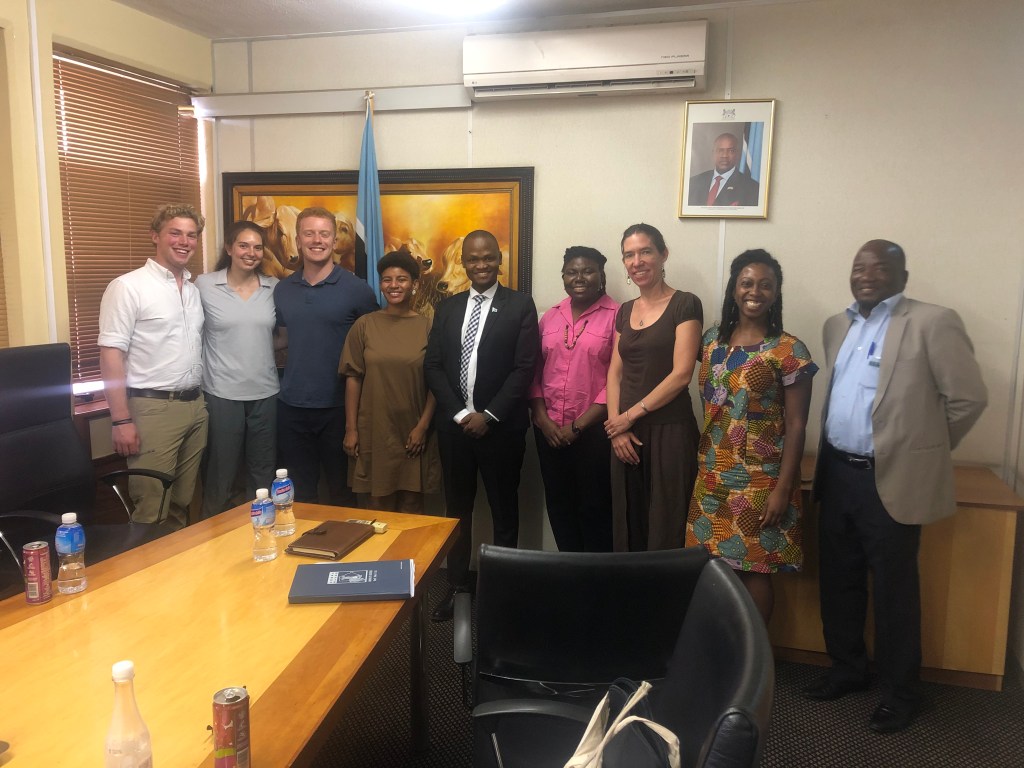
Our host Nonny described the sentiment she and other youth felt as they watched his trajectory and rise, “He gave the youth the hope that we can do anything.” Given that the African continent is home to some of the world’s youngest populations, it is incredibly exciting to witness youth on the forefront of development and leadership within these countries. The Minister also seemed incredibly supportive of Nonny’s project and building a deeper relationship with Cornell! Who knows, maybe we’ll have more Botswana teams here in the future.
Our host for this trip is Nonny Penelope Wright, a young female dairy entrepreneur from Maun, Botswana. She is the founder and owner of Sereledi Farms.
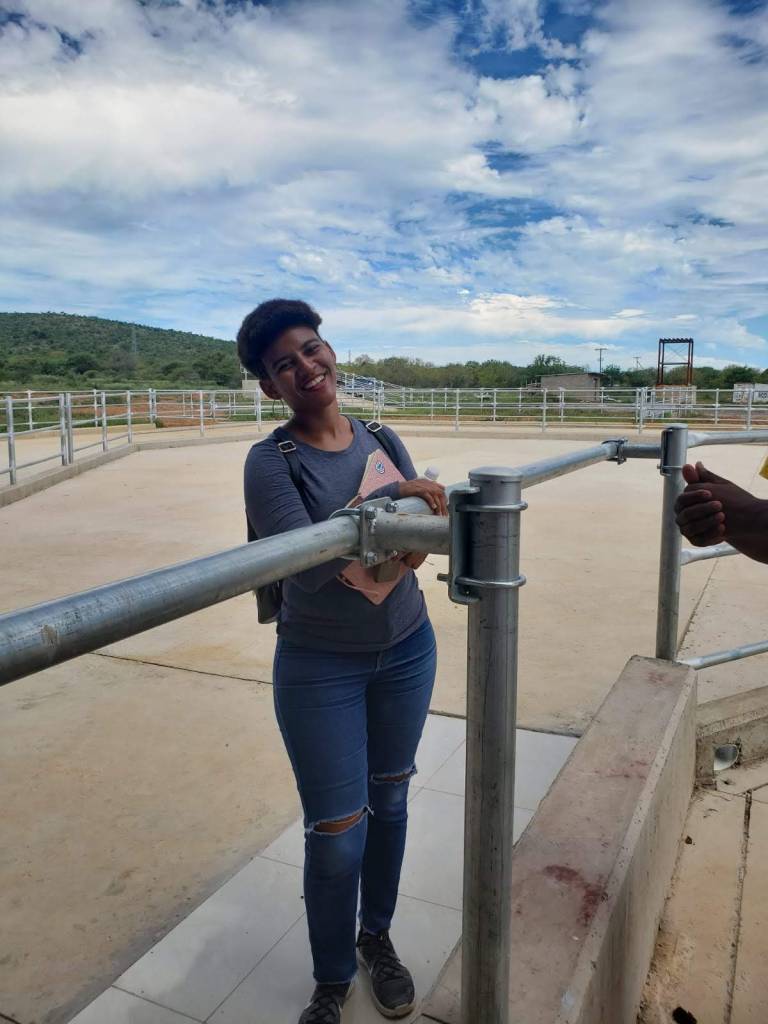
Maun is a large village on the northern side of Botswana that hosts over 75,000 people. The hot semi-arid climate is a large tourist destination for wildlife safaris in the Okavango Delta, and the abundance of charter flights gives it the second busiest airport in Southern Africa.
With a family background in beef farming, Nonny ventured into dairy production about five years ago to capture an enormous opportunity. Botswana has a national deficit of over 65 million litres of milk that are all imported from South Africa. In Maun alone, over three million litres of fresh milk are consumed annually. Nonny’s operations is one of only two dairy enterprises in Maun which provides her with significant opportunity to capture increasing preference for local products compared to the plethora of South African products. In addition, dairy seemed like a natural evolution from beef farming which she realized was realizing less profits due to limitations from foot and mouth disease present in some areas of Ngamiland, where Maun is located.
On her 125 hectare farm, Nonny started with 10 cows in 2014 and grew to over 60 cows in the beginning of 2019. She has a herd of mostly Jersey cows, although she has acquired some Holstein-Friesians and Ayshires to test their adaptability to the Botswana climate. The cows rely on pasture for about nine months out of the year. For the rest of the year, during seasons of low rain, she sources feed from local feed supply stores and relies on silage (fermented maize) from her fields. The cows are mostly supplied with water from boreholes on the farm, although the current drought season has critically impacted water access. Nonny has been shipping water to the farm to keep her cows hydrated.
Maun has experienced increasing drought for the past few years, and this past season has been particularly rough. The major river which typically flows from Angola and through Namibia has completely dried up in this area of Botswana. The nearby boreholes that are shallowly dug because of the sandy soils have also mostly dried up, leaving saline water. This has also limited feed available, creating significant difficulties for herd health, management, and milk production.
Jersey cows are known for producing milk with high fat content. Nonny uses this milk to produce fresh milk, drinking yogurt and a sour milk product called madila. Madila is common with some meals in Botswana and is often consumed at events such as weddings and funerals. The fresh milk often goes towards government institutions, and the drinking yogurt is sold in local retail stores.
What’s exciting about Nonny and Sereledi Farms is the community following behind the Sereledi brand. Nonny comes from a well-known family in the area and community members are excited to see a product coming from Maun. The product is rich and thick with flavor which helps it to set itself apart from less viscous products. People come from far and wide to the retail stores where she stocks only for her product, and some even come directly to the processing plant to purchase larger quantities.
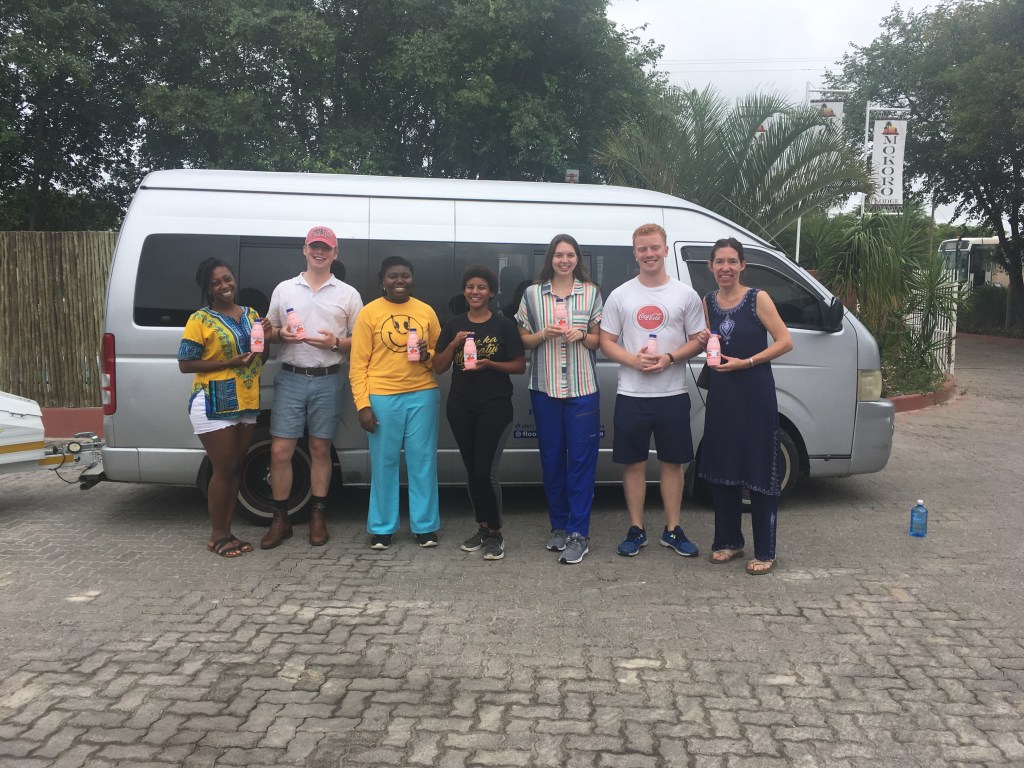
Her brand has received a lot of attention around the country, and she has received a number of interesting offers to expand in different ways, largely on the processing side. However, this will require addressing more upstream supply side issues. Our SMART team is working to help Nonny figure out the best strategy going forward!
Welcome to our blog! Our trip to date has been a whirlwind. While this is only our 4th day on the project it feels as if we have been here for weeks. We were immediately able to begin working through different options for the project upon arrival. Our meetings stemmed from our first conversation with Nonny Wright, our partner in Maun, Botswana.
It has been a pleasure to meet Nonny and to hear her story. On our first day we had the opportunity to sit down and learn about how her business has developed over the last five years. The dairy business is challenging. We now have a better understanding that this is especially true in Maun. A particularly heavy drought this season is currently affecting the region, limiting milk production for farmers, and learning how to work with Nonny to grow her business despite these challenges is a significant element of what we will be doing during our SMART 2020 experience.

Cresta Maun
We stopped into one of the larger high end hotels on the outskirts of town and connected with a friend of our hotel manager. After quickly learning that Cresta Maun has a strong focus on cheap, quality, and local products we discovered that local implied within Botswana, not necessarily Maun. If there is an individual in the area that has a product of interest they were more than willing to try it out but they would have to work with the procurement team based in Gaborone. There seemed to be some interest when we inquired about the possibility of running a feature menu with a variety of items coming directly from Maun. This is an area where we believe Sereledi’s products could be a great fit, especially the madila as it is a local dish produced locally.

Maun Agriculture Office
What began as a series of small goose chases for representatives around town became a full-fledged panel incorporating members of agricultural research, animal production, agribusiness, marketing, and dairy production. We began with a brief history of how the cattle industry (largely beef, not dairy) has grown in light of an almost absolute culling in 1996-1997. We delved into how each sector works to support farmers including sourcing feed, government subsidies during drought, introducing new research to farmers, and connecting farmers to market. Maun is consistently facing a shortage of water and limited irrigation opportunities which hinders water-intensive production like dairy and even the development of more upstream sectors like fodder production to supply to livestock holders. One of the major challenges that we have continued to face in our conversations is the lack of attention given to dairy. Our host, Nonny at Sereledi Farms, is one of only two operating dairies in the region. However, our conversation highlighted developments that our host was hearing for the first time. One of the men who focused on dairy research was beginning to conduct work on feeding regimes for calves, which is a critical roadblock for Nonny who has faced difficulties in rearing calves past a certain age. Foot and mouth disease (FMD) is a huge focus which has impacted Nonny in terms of getting the correct veterinary support and diagnosis with her dairy farm cows. The veterinary office is so focused on preventing and monitoring FMD that they have very little availability to support Nonny’s diary business. During our final question on the future outlook for the dairy industry, the group mentioned a potential pilot project to introduce small-scale dairy to farmers throughout the region. The plan is to provide a few dairy cows to different farmers. Then, develop a collection and processing plant for the milk. Given Nonny’s experience in processing and her previously expressed desire to build a network of primarily young dairy farmers in the area, this seems to be a very interesting opportunity to follow-up on.
Choppies
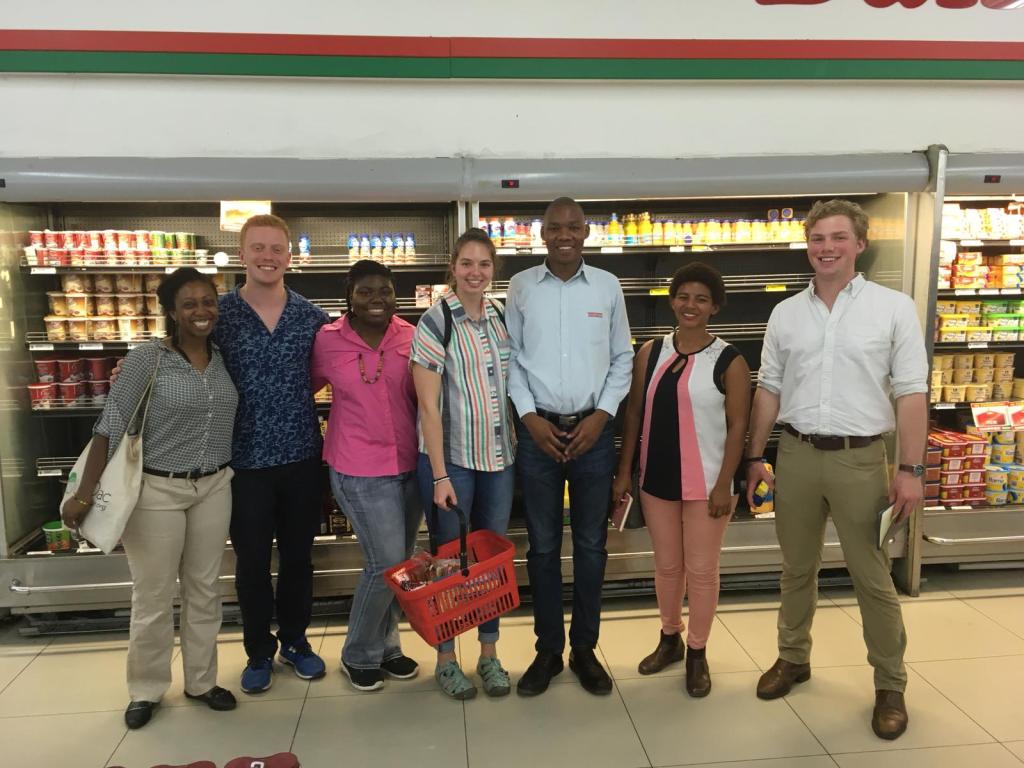
Choppies is a large multinational grocery based in Gaborone. We visited one of the four stores in Maun, just down the road from where we are staying. This discussion revolved around store procurement practices. He was able to provide some insight on what they are looking for in terms of quality and consistency. It was encouraging to meet with him and to learn about their willingness to work with local producers. One of the major challenges Nonny has faced has been delayed payments from contracts that have hindered her cash flow. Choppies maintains that it can reliably provide payments two days after delivery, particularly for small businesses, which would help a small producer continue to deliver and produce without extending a line of credit or giving up cash flow.

Woodsmoke
In a small back corner of Woodsmoke feed shop, our group eagerly piled around the store manager to discuss supply and procurement of the agricultural supply shop. He was candid and open about some of the challenges and limitations that his operation has as a private entity compared to the parastatal organization BAMB (Botswana Agricultural Marketing Board) that provides similar services. We’ve learned that although agricultural extension services exist in-country it is often the feed, seed, and medicine providers who provide the most information to farmers on the needs of their herds and businesses.
Water Affairs
Mr. Kgobero of the Water Affairs board was gracious enough to talk to us after we appeared on his doorstep, notebooks and all. Maun is facing a particularly serious drought, in an area that already receives little rain. On average, Maun receives 550mm of rainfall, but this year, rainfall barely broke 270mm. Most of the agricultural water comes from rainfall, which has become increasingly unreliable, and the Okavango water system which starts in Angola. Normally, the river is flowing and plentiful due to more frequent rains in Angola, however in this difficult year, even the river has dried up. Boreholes in this area are typically shallow (10-20m) because of the lack of bedrock, but that means they are very tied to the river. Once the river dries, the boreholes dry or become saline in nature. Neither of which is ideal for dairy production. Another complication within the local water industry is the placement of Maun in a conservation area. The Okavango Delta is protected by UNESCO as a World Heritage site which encourages strong protections in place around pollution to water sources. This can limit some industry and agriculture, however, there are efforts to create waste management programs to help encourage the collaboration and coexistence of industry, agriculture, and water safety and quality in Maun.
BAMB – Botswana Agricultural Marketing Board
A meeting at BAMB provided ample opportunity to gain insight into a government-supplied means of provisioning seed, feed, and medicine to farmers in and around Maun. We met with Mr. Jafta, who provided significant information on government subsidies during drought periods. In particular, he mentioned that animal feeds can be subsided from 25-35% based over a 6 month drought period. This means that BAMB can provide feed at very low prices to Farmers that need it. In addition, medical supplies can be obtained at BAMB. Because BAMB is a parastatal government agency that needs to source from local companies, it can be limited in its suppliers and not always have feed available. Temporary closures of Technofeed, their primary supplier, mean that feed can be delayed for weeks, which is especially crippling during the current drought period. BAMB is also on the cusp of facing some new competition from Technofeed, which will be opening a new retail location within Maun this year. One other complicating manner for farmers that rely on BAMB is that it does not provide dairy-specific medicine, which reflects the low dairy production presence within Maun.
Kings
On day six, we visited Kings market and spoke with the supervisor. Kings has been a loyal customer of Sereledi Farms and has sold strawberry and banana drinking yogurt for the past two years. Kings’ main customer demographics who purchase drinkable yogurt are orphans and mothers who buy for their children. Orphaned children are able to use coupons, similar to SNAP benefits to purchase the yogurt. The supervisor of Kings mentioned that her customers are requesting Sereledi because they like the thick texture. Sereledi drinking yogurt has been compared to a drinkable yogurt made in Namibia. In terms of pricing, the supervisor of Kings said she chooses the price of products based on the product quality. My team was very excited to hear that Sereledi drinkable has such high quality that she is able to mark up the price by 30%.


 SMART 2020: Botswana